Education Support
Providing educational resources and support to underprivileged children, ensuring access to quality education.

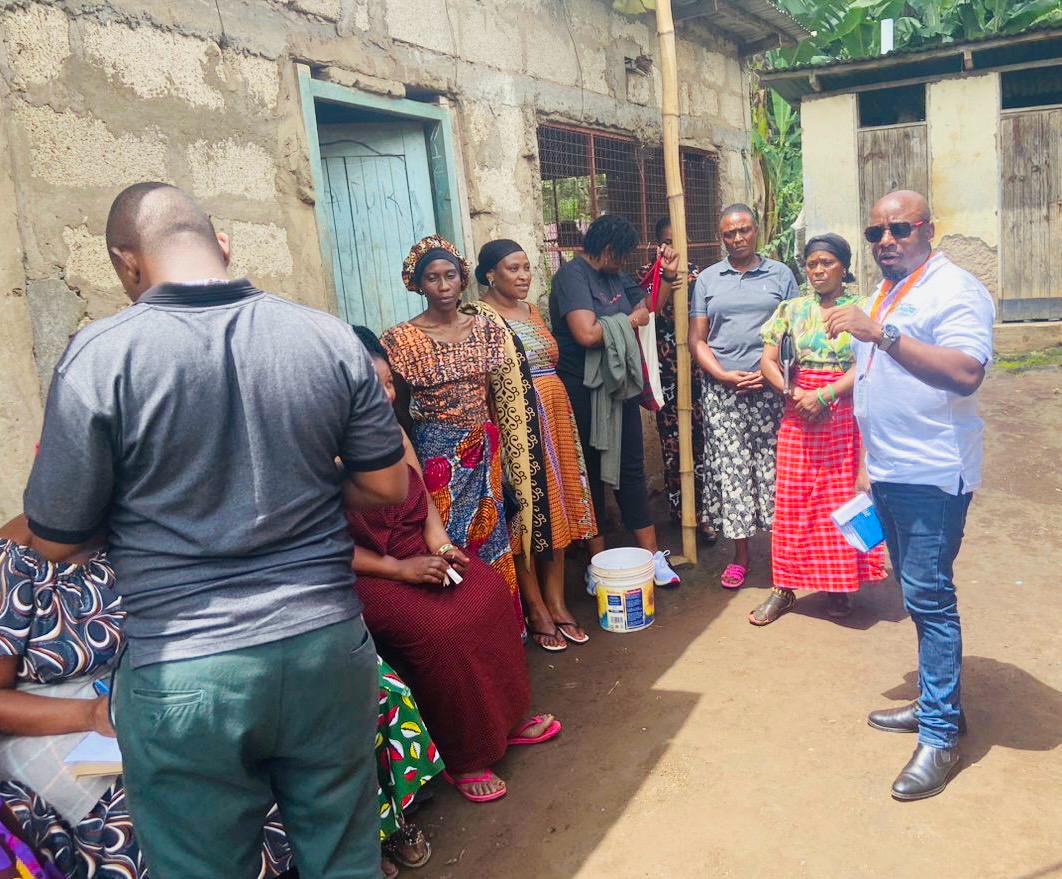
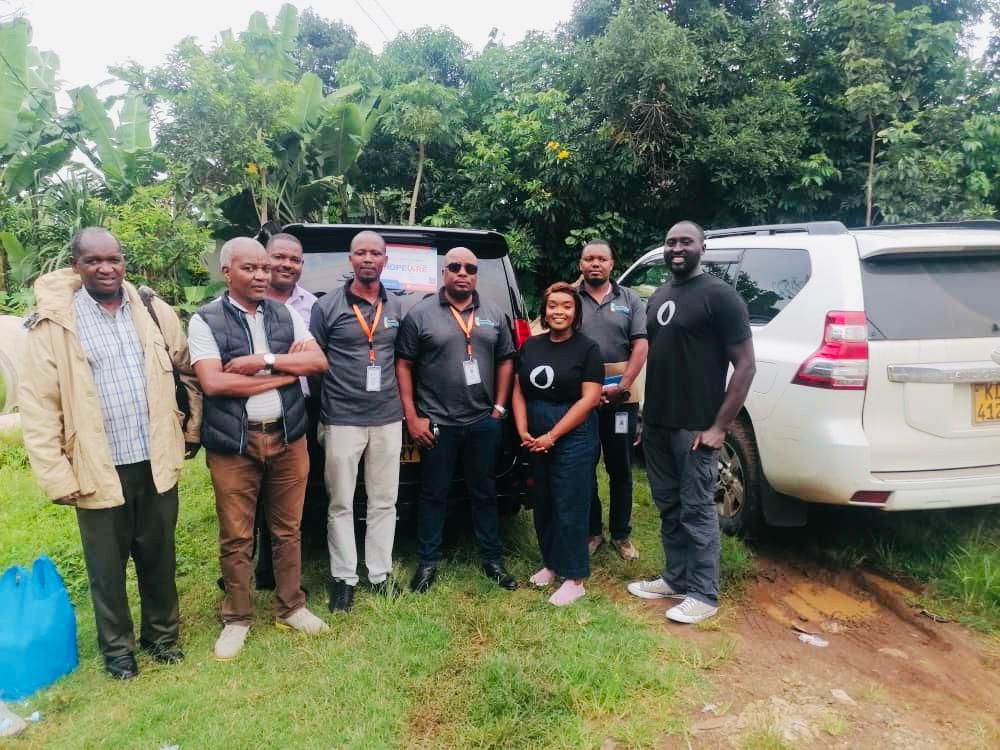
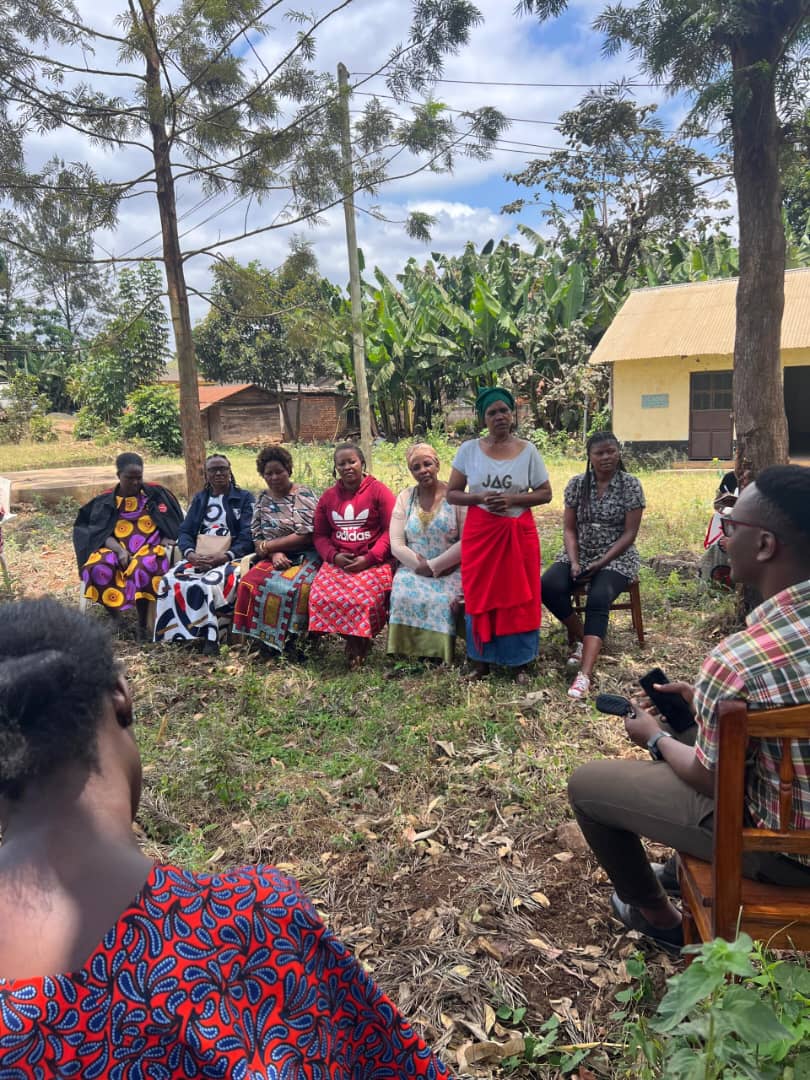
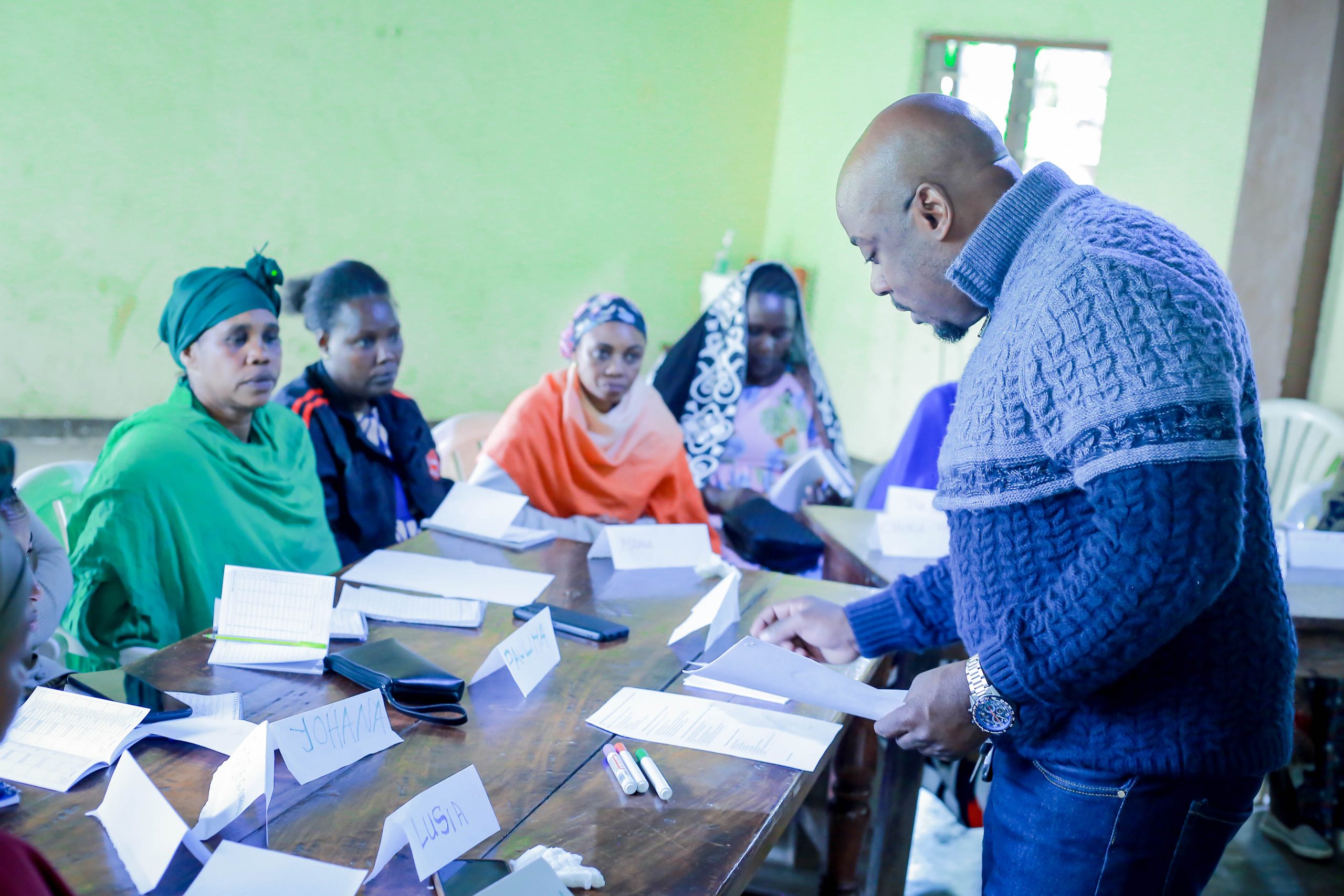
We believe in the power of community engagement as a transformative process that shifts power to local stakeholders, fostering ownership, resilience, and sustainable development. By prioritizing authentic collaboration over transactional interactions.
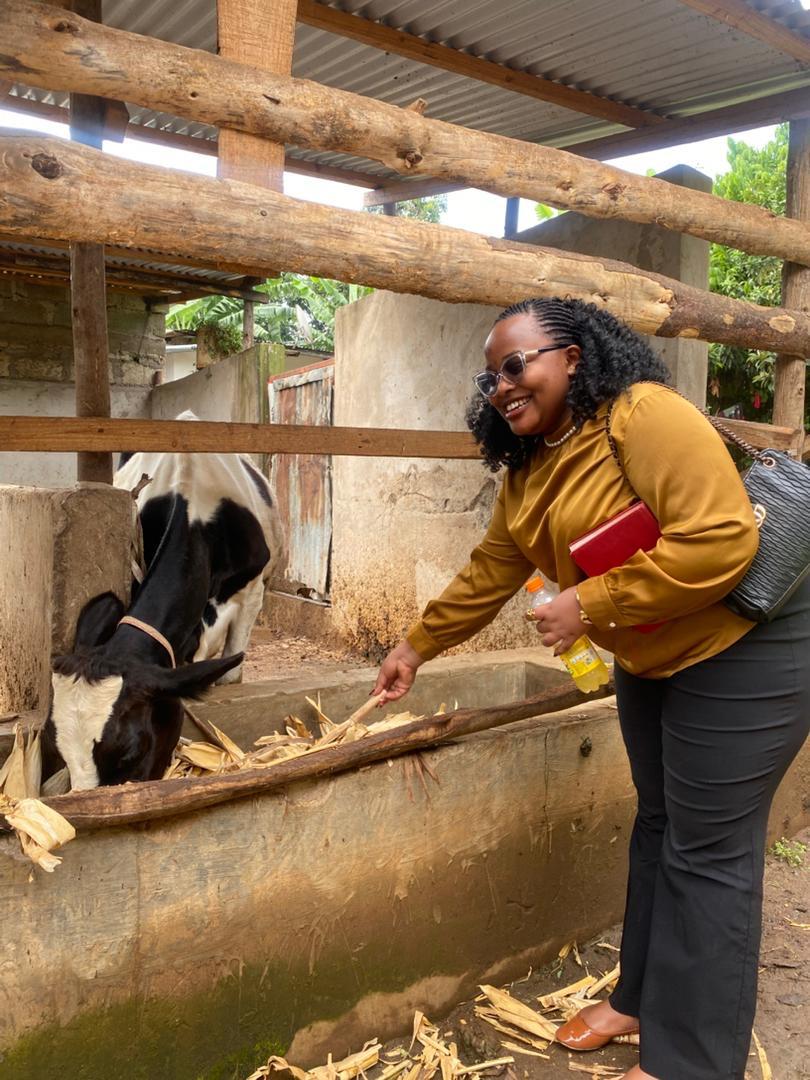
Through HopeCare’s Women Initiatives for Secured Empowerment (WISE) program, we have managed to support over 250 underserved women with integrated livestock value chain projects.
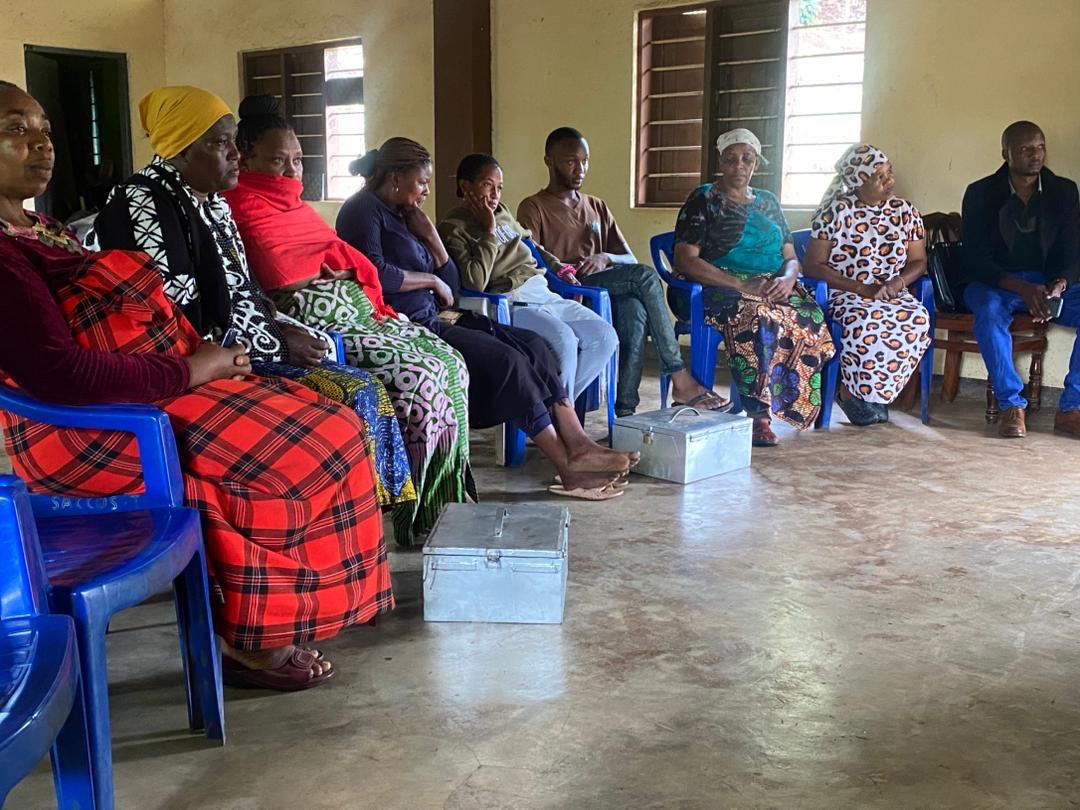
In collaboration with Friends of Tanzania (Marafiki wa Tanzania), HopeCare Organization is implementing a 1-year project aimed at improving the economic status of 120+ caregivers of HIV/AIDS-orphaned children with albinism.
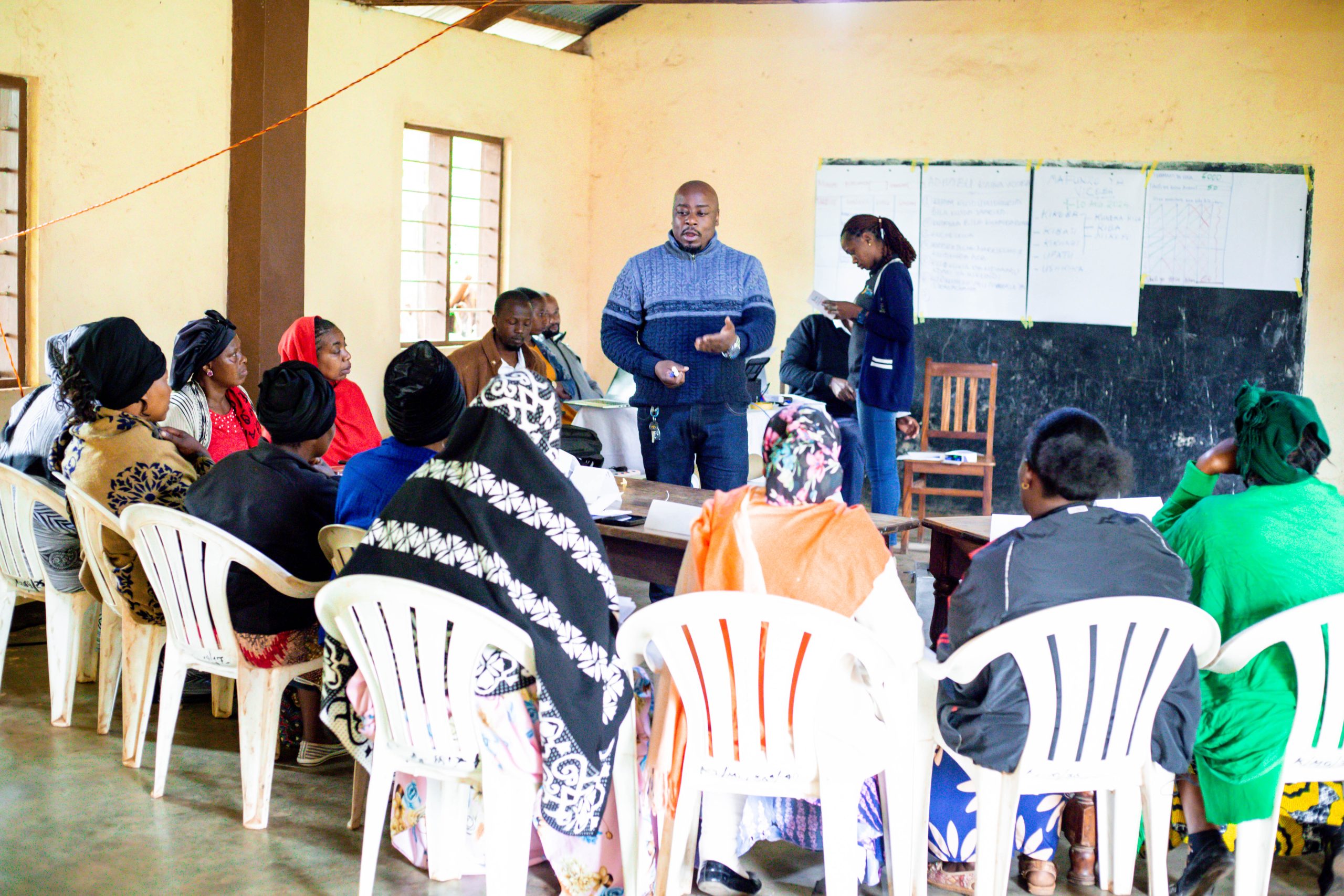
When women are economically empowered, typically they re-invest in their family’s future and children’s education. Despite this, many women remain stuck in the informal economy and struggle to break free from intergenerational poverty cycles,


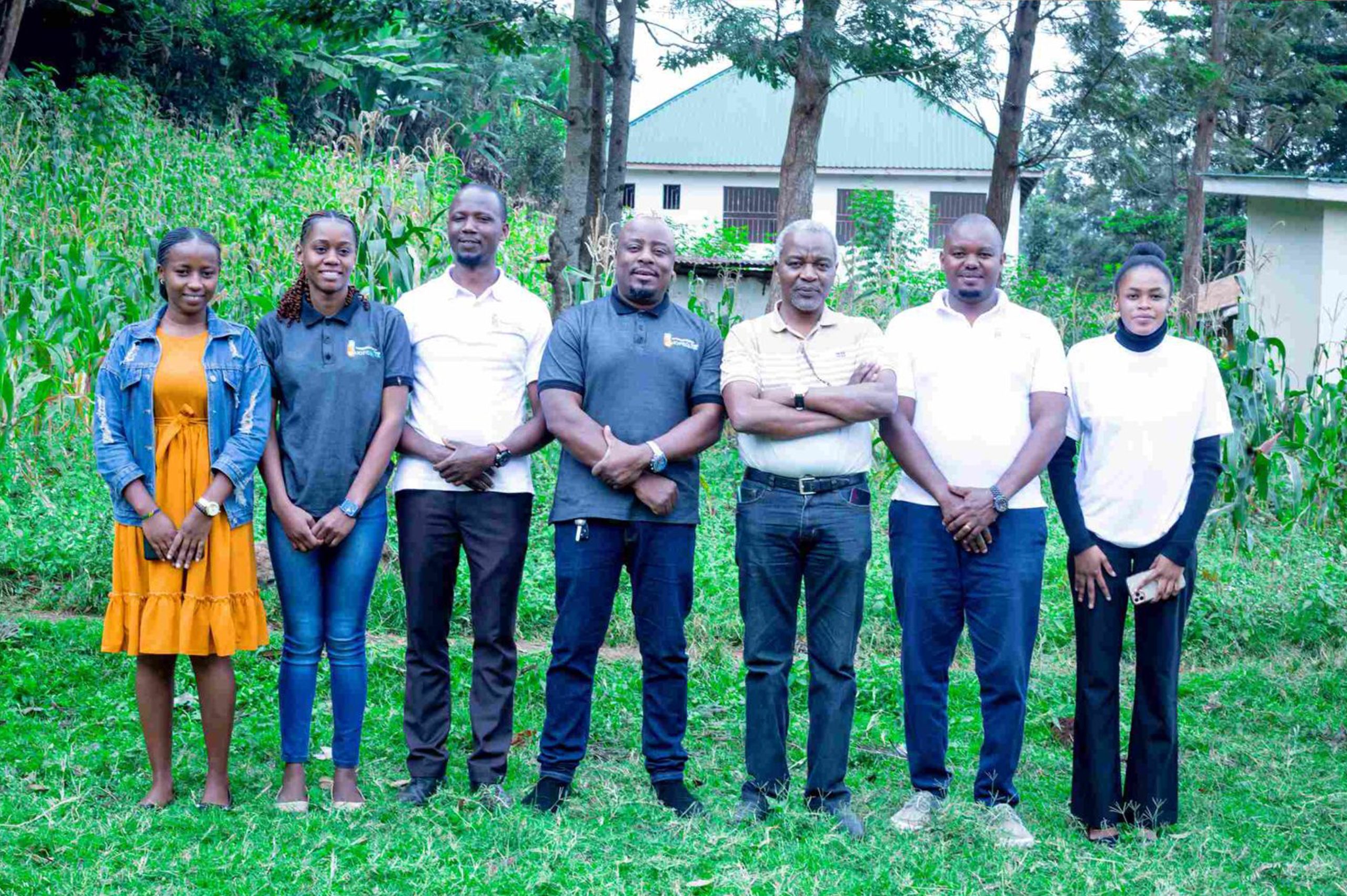
Executive Director

Finance and Administration Manager

Programs Manager

Community Development Officer